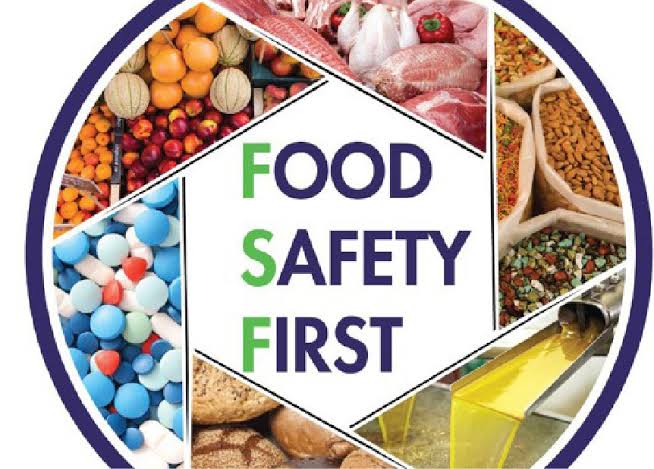
Food and drug poisoning are becoming a major public-health concern. Many people are coming down with health challenges associated with adulterated, contaminated, substandard, counterfeit, and unwholesome foods, drinks, and medicines.
The processes through which some of these products are produced, processed, stored, transported, marketed, and sold deserve urgent attention.
Of particular concern are reports of unsafe and improper practices such as the artificial sweetening of palm wine; forced or premature ripening of bananas, oranges, mangoes, and other fruits with questionable substances; the use of medicines or chemicals in food preparation; the use of detergents or other inappropriate substances to accelerate cassava fermentation; and the application or misuse of potentially dangerous chemicals in vegetable and crop production.
There are also concerns about the production of poultry, eggs, meat, kitchen spices, beverages, and other foods where improper use of chemicals, additives, medicines, or preservatives may expose consumers to avoidable risks.
These practices are particularly worrying because many of the products are consumed repeatedly: three times a day, seven days a week, 30 days a month, and 365 days a year. Repeated exposure to unsafe substances can create serious health concerns. However, claims that particular practices directly cause cancer or other diseases should be established through appropriate scientific and regulatory evidence rather than assumption.
Another dangerous trend is the production of fake drinks and imitation products designed to resemble established brands, thereby deceiving unsuspecting buyers and consumers. Counterfeit and adulterated products can pose serious risks when consumers cannot distinguish them from genuine products.
Regulatory agencies such as NAFDAC and the Standards Organisation of Nigeria (SON) have important responsibilities in protecting the public. Their work, however, must be complemented by producers, vendors, market associations, restaurants, consumers, and the general public.
We must report suspected counterfeit, adulterated, expired, contaminated, or otherwise unsafe products to the appropriate authorities.
Consumers should also cultivate the habit of reading product labels before purchasing or consuming products. Check the expiry date, manufacturer or importer, registration details where applicable, batch number, ingredients, storage instructions, and other required information. Examine packaging carefully and avoid products whose seals appear broken, labels appear suspicious, or contents and origins cannot be established.
Food safety is not only the responsibility of government. It is a shared responsibility. What happens on the farm, in the factory, at the market, in the restaurant, and eventually on our dining tables is interconnected.
We are, in many ways, what we eat, therefore, we must not allow ignorance, greed , silence or ignorance to define how we live and turn food and medicine safety into a form of “mercy killing ”
We must speak up. We must investigate. We must educate. We must report. We must demand responsible production and effective enforcement.
This is an urgent call to producers, vendors, regulators, market leaders, consumers, and every stakeholder: let us wake up and act before preventable harm becomes another statistic.
Safe food is not a privilege. It is a powerful medicine if it is not adulterated or contaminated. A major public-health responsibility. Protecting what people eat, drink, and consume is ultimately about protecting human life. #healthright247 .