Are we securing Africa’s food future, or creating new questions for our farmers and consumers?
Food is life. Seeds are the foundation of agriculture, and agriculture remains central to the survival, economic independence and development of African nations. Yet, as the world embraces agricultural biotechnology, an important question confronts Africa: how do we improve food production without compromising public confidence, environmental sustainability and the independence of our farmers?
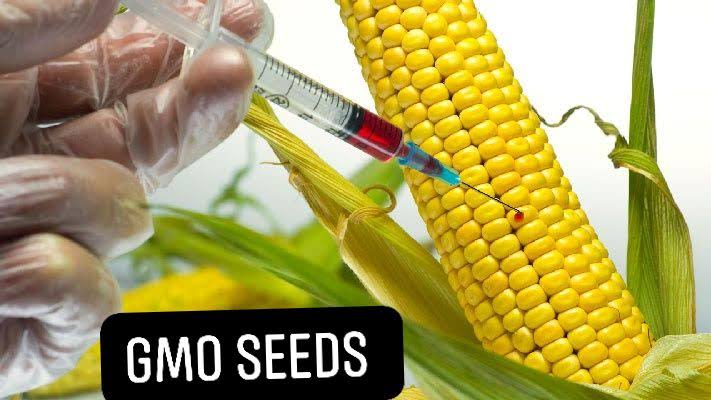
Genetically modified organisms (GMOs) have become part of this conversation. Through genetic engineering, scientists can introduce specific traits into crops to improve resistance to particular pests, diseases or other agricultural challenges. In Nigeria, genetically modified cowpea and maize have attracted public attention.
The technology promises opportunities, but promises alone cannot feed a nation. We must examine the evidence, the costs, the benefits and the responsibilities that come with adopting it.
GMO seeds and the African farmer
Africa’s agricultural challenges are real. Crop pests, erratic rainfall, inadequate irrigation, poor storage facilities, insecurity, expensive farm inputs and limited access to markets contribute to food shortages and rising prices.
Some genetically modified crops can help farmers manage particular pests and reduce crop losses. Depending on the crop and conditions, they may also reduce the need for certain insecticide applications.
However, GMO seeds are not a magic solution to hunger. A farmer who lacks land, affordable fertiliser, irrigation, storage and a dependable market may still struggle, even with improved seeds.
We must therefore ask: are we investing sufficiently in the entire agricultural value chain, or are we presenting biotechnology as a substitute for solving long-standing agricultural problems?
What about our health?
Public concern about the safety of GMO foods deserves a factual and responsible response.
The World Health Organization explains that genetically modified foods must be assessed individually. Evaluations consider toxicity, possible allergic reactions, nutritional composition, genetic stability and unintended changes. Internationally marketed GMO foods that have passed appropriate safety assessments have not been shown to cause adverse health effects in the general population.
This is an important scientific position. It would be irresponsible to declare all GMO foods poisonous without credible evidence. It would equally be irresponsible to assume that every future genetically modified crop is automatically safe without appropriate assessment.
Public health protection requires evidence, transparent regulation, independent scientific scrutiny and continued monitoring where appropriate.
Our concern should not be driven by fear or blind acceptance. It should be guided by science, accountability and the welfare of the people.
Nigeria’s GMO cowpea and maize: what consumers should know
Cowpea, popularly called beans in Nigeria, is an important source of protein for millions of households. Maize is equally significant in human diets, livestock feed and food processing.
Genetically modified varieties developed to resist particular pests may offer farmers advantages. Nevertheless, consumers and farmers deserve accessible answers to important questions:
– What genetic modification has been introduced, and what specific problem does it address?
– What safety assessments have been completed for the particular variety?
– What are the expected benefits and limitations under Nigerian farming conditions?
– What are the seed costs, and what contractual restrictions, if any, apply?
– How will the authorities monitor environmental effects, resistance and compliance with safety requirements?
– What arrangements exist for consumer information, traceability and appropriate labelling?
These questions are not an attack on science. They are legitimate demands in a society where food choices affect millions of people.
Nigeria’s National Biosafety Management Agency (NBMA) provides information on GMO approvals and biosafety matters. Citizens should consult official records rather than rely on rumours, sensational headlines or unverified social media messages.
Protecting indigenous seeds and biodiversity
Long before modern biotechnology, African farmers cultivated and preserved diverse varieties of yam, cassava, millet, sorghum, maize, beans and other crops adapted to their environments.
These seeds represent agricultural knowledge, cultural heritage and a resource for future crop improvement.
The introduction of genetically modified crops must therefore be accompanied by appropriate measures to protect biodiversity, prevent unwanted mixing where relevant, and preserve farmers’ ability to choose suitable varieties.
We should also invest in indigenous seed banks, agricultural research institutions, conventional breeding and locally adapted crops. Modern biotechnology and traditional agricultural knowledge need not be enemies. Both can contribute to a resilient food system when evaluated and managed responsibly.
Who owns the seeds, and who benefits?
Food sovereignty is about more than producing enough food. It also concerns the ability of a nation and its people to make informed decisions about their food systems.
Where commercial seeds are subject to licensing conditions or restrictions on saving and replanting, farmers need clear information before purchasing them. Seed prices, availability, market competition and access to alternative varieties deserve serious attention.
Government must ensure that farmers are not misled about what a seed can achieve or the obligations attached to its purchase.
Agricultural policy should encourage research, fair competition, local innovation and affordable access to quality seeds. Farmers must be able to assess whether a particular variety suits their land, climate, resources and market.
What should Nigeria do?
First, strengthen independent and transparent risk assessment for every GMO variety considered for approval.
Second, make reliable information about approved crops, their intended traits and the evidence supporting their approval accessible to farmers, journalists, researchers and consumers.
Third, maintain appropriate monitoring of environmental effects, pest resistance and agricultural performance.
Fourth, protect indigenous crop diversity and support farmers who choose conventional or locally adapted seeds.
Fifth, invest in irrigation, rural roads, storage, processing, agricultural extension and research. Reducing post-harvest losses can be as important as increasing production.
Finally, strengthen public education. Consumers should be able to distinguish scientific findings from speculation, while regulators must be prepared to answer reasonable questions without dismissing public concerns.
Conclusion: Let Africa feed itself wisely
Africa must not allow fear to obstruct useful scientific progress. Neither should the urgency of food security be used to justify the uncritical adoption of any technology.
Our responsibility is to build a food system that delivers safe and nutritious food, protects the environment, supports farmers and preserves meaningful choices for future generations.
GMO seeds may contribute to that objective, but they are only one part of a much larger agricultural picture.
Let science serve humanity. Let innovation protect the farmer. Let regulation protect the consumer. And let Africa preserve the agricultural heritage that sustains its people.
Food security without public confidence is incomplete. Agricultural progress without accountability is unsustainable. The future of African agriculture must be measured not merely by how much food we produce, but by how wisely, safely and independently we produce it.
Related Posts

Trending with Nancy Mbaegbu