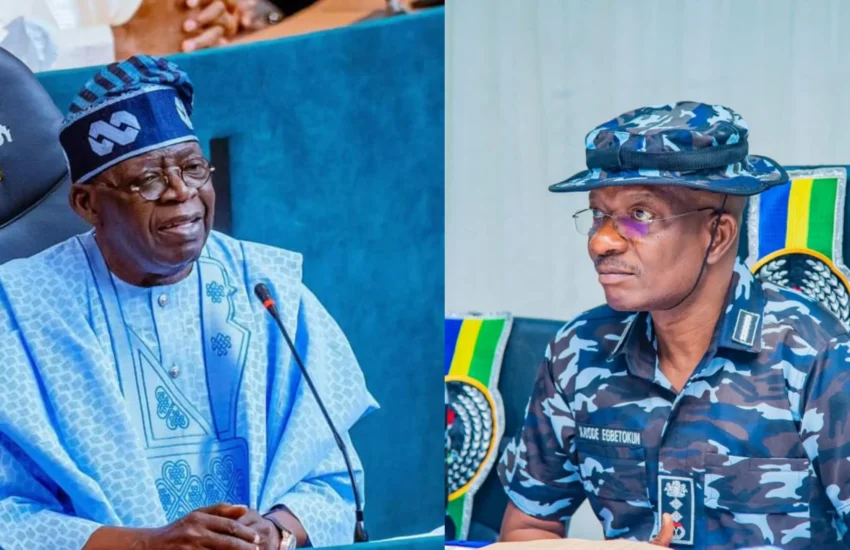



While campaigning for the presidency, then candidate Bola Ahmed Tinubu gleefully announced that if he failed to provide stable power supply in his first term after being voted in, he should not be voted for a second term.
It is a sad commentary on the state of electricity supply in the country, especially now that Tinubu, having been voted president in 2023, is now seeking re-election in 2027.
In the past few months, electricity supply from the federal government-licensed electricity suppliers, whimsically called DISCOs has become a nightmare to consumers nationwide. That is not to suggest that it was ever average since private operators were involved in a now failed dubious experiment. But the performance in the past few months has been scandalous.
When in 2013 the power sector reform rolled in, the promise was that the involvement of the private sector would stop the rot in public power supply and lead to a stable and reliable era. The DISCOs, were supposed to be the pivot of the new regime. The goal was to reduce technical, commercial, and collection losses by attracting private capital and technical expertise.
Unfortunately, most of the DISCOs had no technical experience in the task nor did they try to evolve a roadmap to acquire one.
However, the Electricity Act 2023 has offered a window of opportunity for states to wean themselves from the debilitating performance of DISCOs. With the amendment of the constitution, taking electricity from the exclusive to concurrent list, states are now empowered to create their own electricity grids and can license private investors for generation, transmission, and distribution, reducing the control previously held by the federal government.
The reform separates distribution and supply operations, granting specific licenses for each to improve efficiency while the Act encourages the integration of renewable energy into the grid, offering incentives to private investors for clean energy projects.
Prior to the enactment of the Electricity Act 2023, Delta State Government had successfully ventured into the improved power supply using the mini grid model under the limited window offered by the defunct electricity regulation that compelled states generating electricity over and above 10 megawatts to transfer the generated power to the national grid.
The pioneer facility which provides round-the-clock electricity to the Government House and other selected government establishments in Asaba, including the Chike Edozien State Secretariat has proved to be a successful model.
Similarly, the arrangement where the commercial city of Aba in Abia State gets regular power supply, there are options for states to emuluate. Aba achieves steady 24-hour electricity primarily through the Geometric Power Plant, an independent integrated project that generates and distributes power directly to a ring-fenced area covering nine local government areas. This system bypasses national grid failures using dedicated gas turbines.
We are of the belief that the amendment of the constitution gives states the opportunity to create their own grids and map their own trajectory to energy sufficiency. They can even adopt the regional approach in creating independent grids. The Niger Delta states, for instance, may pool their resources together to set up a regional grid powered by the enormous gas resources within their backyard.
Even though the social media has seen the earlier pronouncement of President Tinubu on electricity, it does not shield governors if they fail to activate the window opened by the Electricity Act of 2023. The onus is now on governors to write their own history in the power sector.
In Delta State, the government is shifting from a centralized grid to a “mini-grid model” that offers increased resilience and reduces the risk of total blackouts caused by single-point failures.
It is gratifying that the state has signed Memorandums of Understanding (MoUs) with private operators to manage the generation and distribution of electricity, utilizing a mix of solar, wind, hydro, and gas-powered solutions.
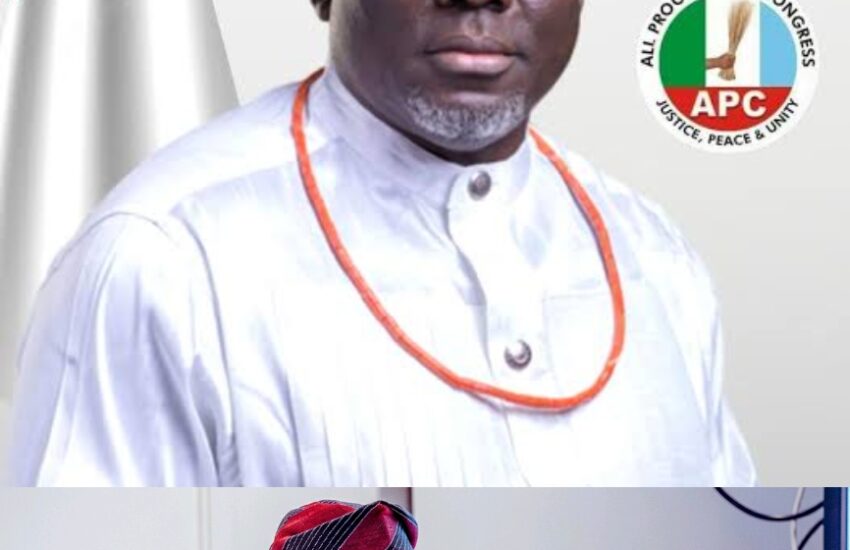
We commend Rt. Hon. Sheriff Oborevwori, governor of the state, for the bold and visionary initiative. Given the fact that every other infrastructural drive is dependent on stable power supply, every administrative and technical obstacle towards demystifying the level BEDC has plunged Delta State should be promptly addressed.
The people and residents of Delta State are earnestly looking forward to when their lives will cease to be recklessly upturned by BEDC which obviously is incapable and unwilling to fulfil its obligations to Deltans.
But, more importantly, there is an urgent need for a review of the agreement between the federal government and the DISCOS. There is no evidence that the distribution companies have invested capital in upgrading infrastructure in this vital sector as they were meant to do by the agreement signed with the government.
DISCOS cannot continue to smile to the bank while electricity supply is comatose. The federal must make them comply with the agreement signed before they took over electricity assets or take them and handover to more efficient managers