The Southerner — REDEFINED
Friday, April 24, 2026
When I wrote “Broken Bonds in Isoko South,” it stirred reactions from both Isoko people and those not from there. I received calls, messages, and strong opinions. Some Isoko people even rebuked the issue of our broken bonds. But when I got closer to these same people who complained about how decentralized we are, I realized something disturbing—many of them are exactly what they criticized.That is our biggest problem.
We see the fault, we complain about it, we shout about it—but many of us are no different from same thing we condemn.
Today, I will be very honest. Many will say I am harsh. Some will say I am insulting my people. But enough is enough. Truth does not become a lie because it is uncomfortable.
Why do we hurt one another? Why do many of us find it so hard to stand for each other? Why is it always “me first,” even when it will the next person?
Our hearts need sensitization. Our thoughts needs cleansing. How can we benefit from the government when we cannot speak with one voice? How can we be taken seriously when we are divided by personal interests?
After years of darkness in Isoko, it breaks my heart that when given the opportunity to demand change, we end up asking for the wrong things.
How do you choose roads over electricity?
What is a road without electricity? What is development without power?
Studies have shown that electricity not roads, is one of the biggest constraints to economic growth in Nigeria. Yet, we continue to prioritize what benefits a few over what transforms everyone.
The painful part is that this is not always ignorance—it is, at times, intentional. I was deeply broken when I heard that some so-called indigenous people go as far as influencing Agip Oil Company and BEDC to frustrate efforts to restore electricity in Isoko—simply because they already enjoy solar power in their homes and businesses.
Because you have light, others must remain in darkness? Because you are comfortable, others must suffer? This goes beyond selfishness.
The exploitation has even become structured. The practice of collecting money from struggling people, imposing levies to sustain certain arrangements, has become a system. And because that system benefits a few, they do not want it to end.
So the darkness continues. When the government asks Isoko people what they need most, it is often these same voices – those benefiting from the current situation, that speak the loudest. And what do they ask for? Roads. Not light. Not the foundation of real development. But roads.
Let us be honest—Isoko already has fairly good roads in many areas. The push for more is not always about the people. It is often about contracts, access to funds, and personal gain presented as public need. Projects that do not truly change the condition of the people.
And we call this development? When people criticize Isoko, I do not always argue. Because sometimes, we give them reasons to do so.
Many of us have become too willing to sell ourselves cheap – to the government, to politicians, to anyone who offers temporary benefits. Where is our pride?
Where is the dignity of a people who should stand together and demand better amenities? Are we truly representing Isoko well to the outside world? Or have many of us allowed the urge to grow, transform us to be self-centered, unwilling to support one another, and quick to pull each other down?
We say the government is not favorable to us, but have we been favorable to ourselves?Today, more Isoko people are in positions of power in Delta State than before. We have representation in places that matter. We have access. But what has truly changed? Very little.
Because the problem is not just leadership, it is also the people. When leaders do not prioritize the people, it reflects in the condition of the people. But when the people themselves lack unity, empathy, and vision, even good leadership struggles.
Sometimes, the truth is uncomfortable: many of us are part of the problem. At events, when I see my people, I observe. Different faces, but often the same mindset: the same quiet competition, the same hidden envy, the same hesitation to genuinely support one another.
The negative examples are so visible that those with good intentions struggle to be seen. And those who mean well must work harder to prove that they are different.
In politics, many of our leaders are not practicing leadership; they emphasize submissiveness.
Politics is meant to represent people’s interests. But for many, it has become a pattern of pleasing the man at the top. No questions, no resistance, just loyalty to power.
Who then speaks for the people? Who is bold enough to say, “This is wrong”? We need to wake up: not for selfish interests, but for the collective good.
And let us be honest to ourselves. When people criticize politicians, we should also look inward. Because the same greed we condemn in leadership can also be found among many of us. Same envy. Same bitterness.
We judge them, yet often reflect them.
Because one Isoko person hurts you does not mean that when you rise, you should become the same oppressor.
But too often, that is what happens. Pain is transferred. Hurt is repeated. A cycle continues. “I suffered, so you too must suffer.”
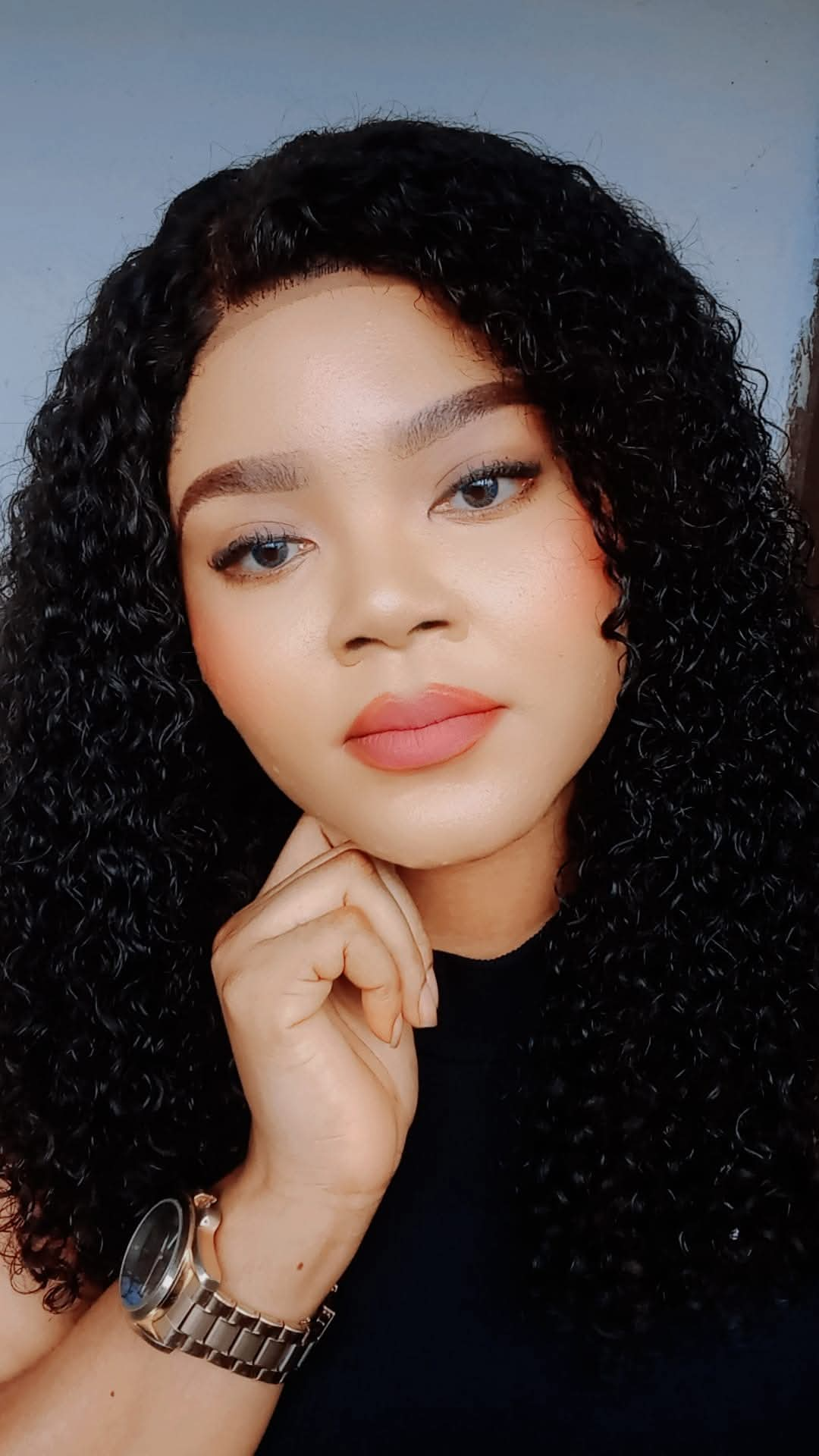
I am an Isoko woman who has been hurt by my own people. What I have experienced in the hands of those I call my own, even among relatives, is something I would not easily expect from strangers.
But I refuse to let that pain turn me into the same thing that hurts me. Because if we all continue like this, then who breaks the cycle?
Change does not start in government offices. It starts in homes. In conversations. In daily choices. In how you treat the next Isoko person you meet.
If you cannot help, at least do not harm. If you cannot lift, do not pull down. If you cannot give light, do not keep others in darkness.
We must choose to be better. We must be known as people who support one another, who act with conscience, and who stand together when it matters. We must become a people who can hold the government accountable. Not depend on it for survival. A people who stand for what is right, not just for what is beneficial.
This change will not come from words alone. It will come from personal decisions, repeated daily. We must reflect deeply. We must confront our habits. We must rebuild our identity. We must bring back the pride we once had when we boldly said, “I am Isoko.”
Because right now, the problem is not just what others are doing to us. The problem is what many of us are doing to ourselves.
If we do not end this cycle, no government, no development, and no opportunity will ever be enough. Because we will keep destroying ourselves from within.